Middle East airspace planning has shifted again. With the regional security situation deteriorating through mid-July 2026, EASA has once more revised its Conflict Zone Information Bulletins (CZIBs) — and anyone flying Europe–Asia routes needs to factor a wider list of airspace to avoid into their routing.
Where things stand
- Most Gulf FIRs remain open to overflights, but tactical routing and flow management are widely in use. Kuwait (OKAC) is the exception — overflights of the Kuwait FIR remain prohibited.
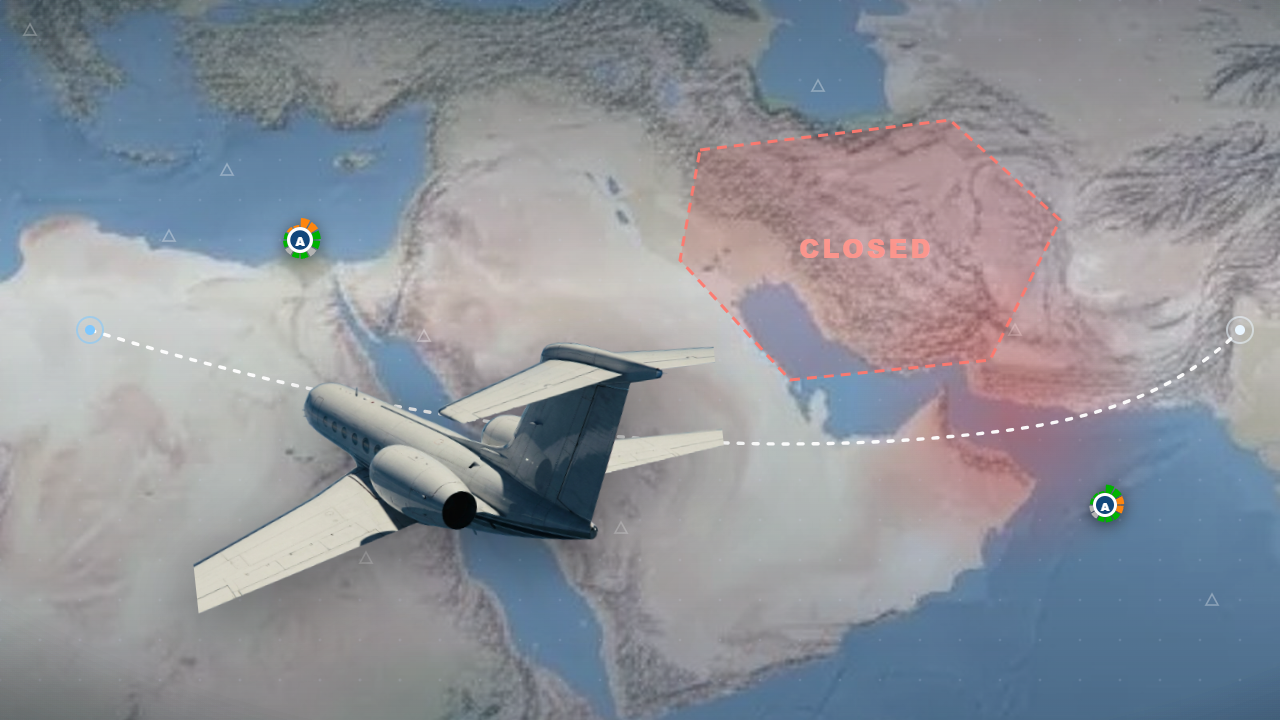
- EASA now advises avoiding, at all levels, the airspace of Iran, Iraq, Lebanon, Bahrain, Kuwait, Qatar, the UAE and the western Gulf of Oman (west of 58°E).
- A separate EASA Information Note covers Israel, Jordan, Oman and Saudi Arabia: no outright “avoid”, but operators are told to weigh the risk before operating.
- The main Europe–Asia flows still run south via Egypt–Saudi Arabia–Oman/UAE, or north via the Caucasus and Afghanistan.
- GPS jamming and spoofing remain among the biggest day-to-day operational issues across the region.
What changed on 15 July
EASA updated its Middle East CZIBs following the renewed deterioration in security, adding Bahrain, Kuwait, Qatar, the UAE and the Gulf of Oman west of 58°E to the “avoid at all levels” list. The existing bulletins for Iran, Iraq and Lebanon are unchanged — avoid those FIRs at all levels. So far there have been no new blanket Gulf airspace closures beyond Kuwait, but the situation is fluid and worth re-checking before every dispatch.
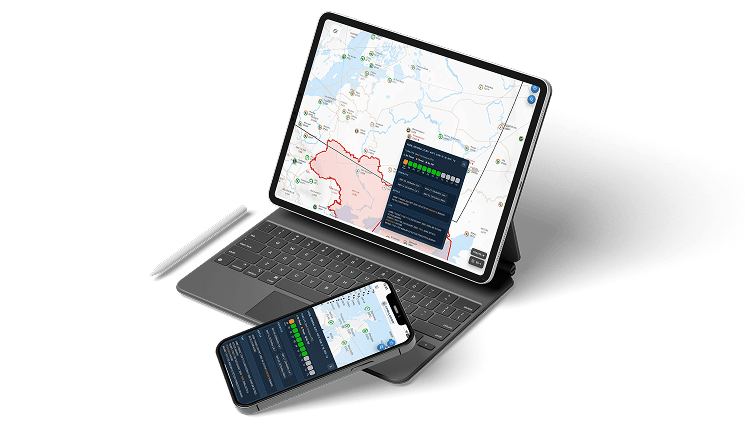
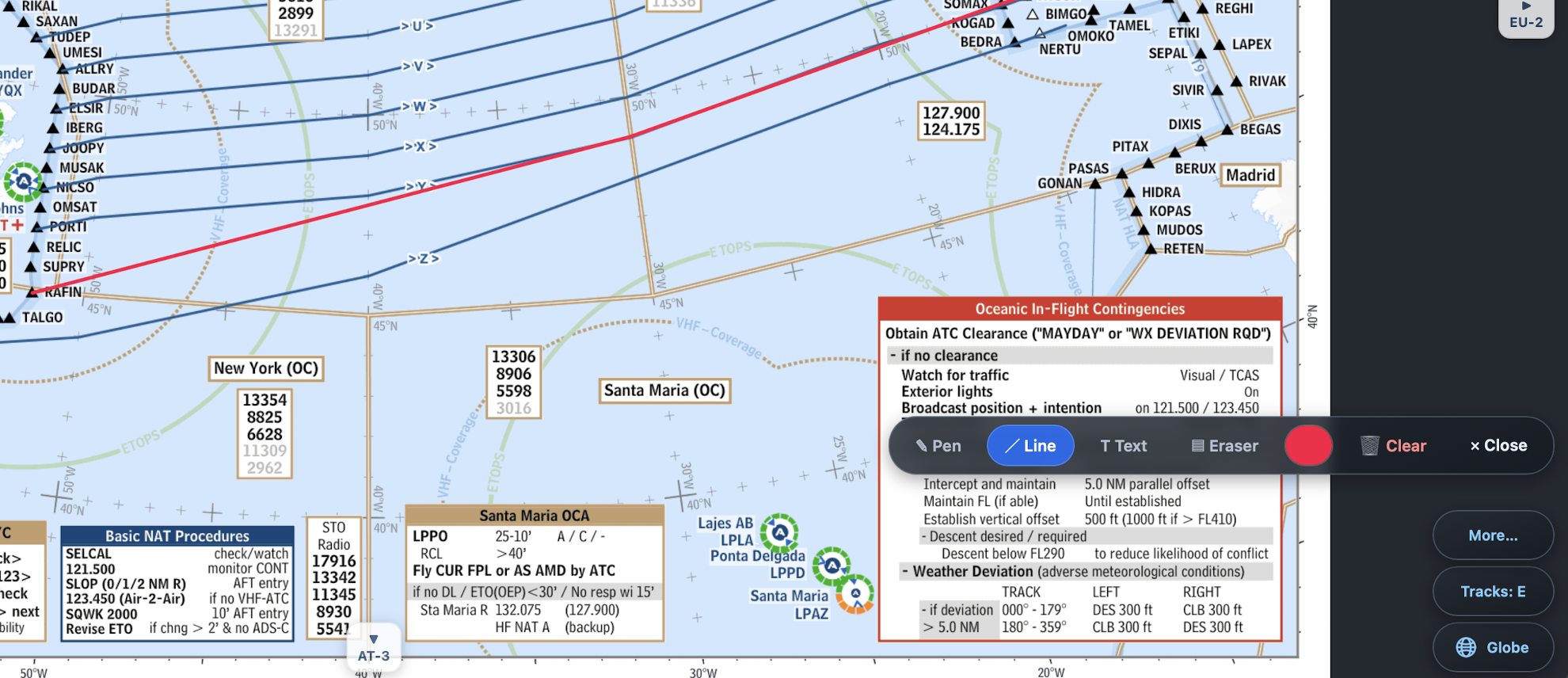
All current CZIB avoidance areas and the resulting Europe–Asia routings are already worked into our charts.
Sources
- EASA Conflict Zone Information Bulletins: easa.europa.eu — CZIBs
- EASA Information Note: easa.europa.eu — Information Note